neurodiversity (noun)
[noor-oh-di-vur-si-tee, -dahy-, nyoor-]
The natural variation in how people's brains think, learn, process information, and experience the world.
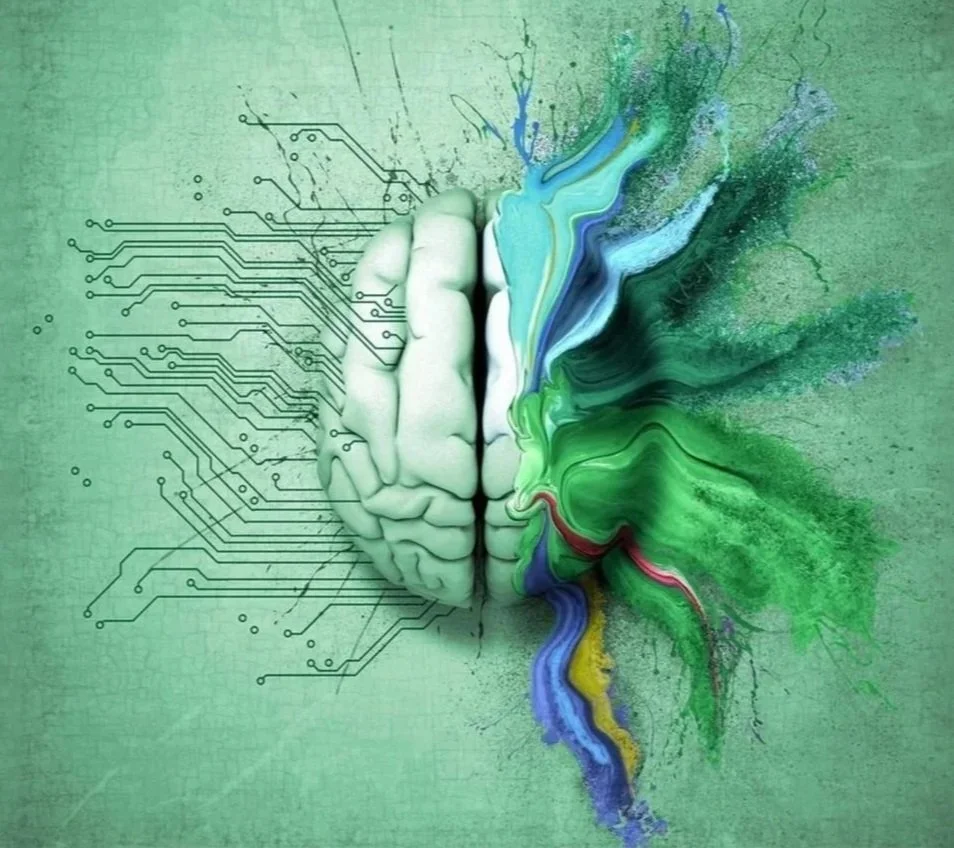
Neurodiversity recognizes that every person’s brain works uniquely. Neurodiversity is so much more than the common misconception that it only refers to autism or ADHD. The truth is that we are all a part of neurodiversity. Neurodiversity recognizes that brains are wired in many different ways—and that these differences are not flaws or problems to be fixed. Rather, they are natural variations in how people think, learn, process information, and experience the world.
Just as we all have different personalities, talents, and interests, we all have different brains with unique ways of understanding and interacting with the world. Joy Carol Young helps educators, leaders, families, and faith communities turn this understanding into everyday neuroinclusive practice. Want to bring this conversation to your school, church, or organization?
A Sampling of Neurotypes
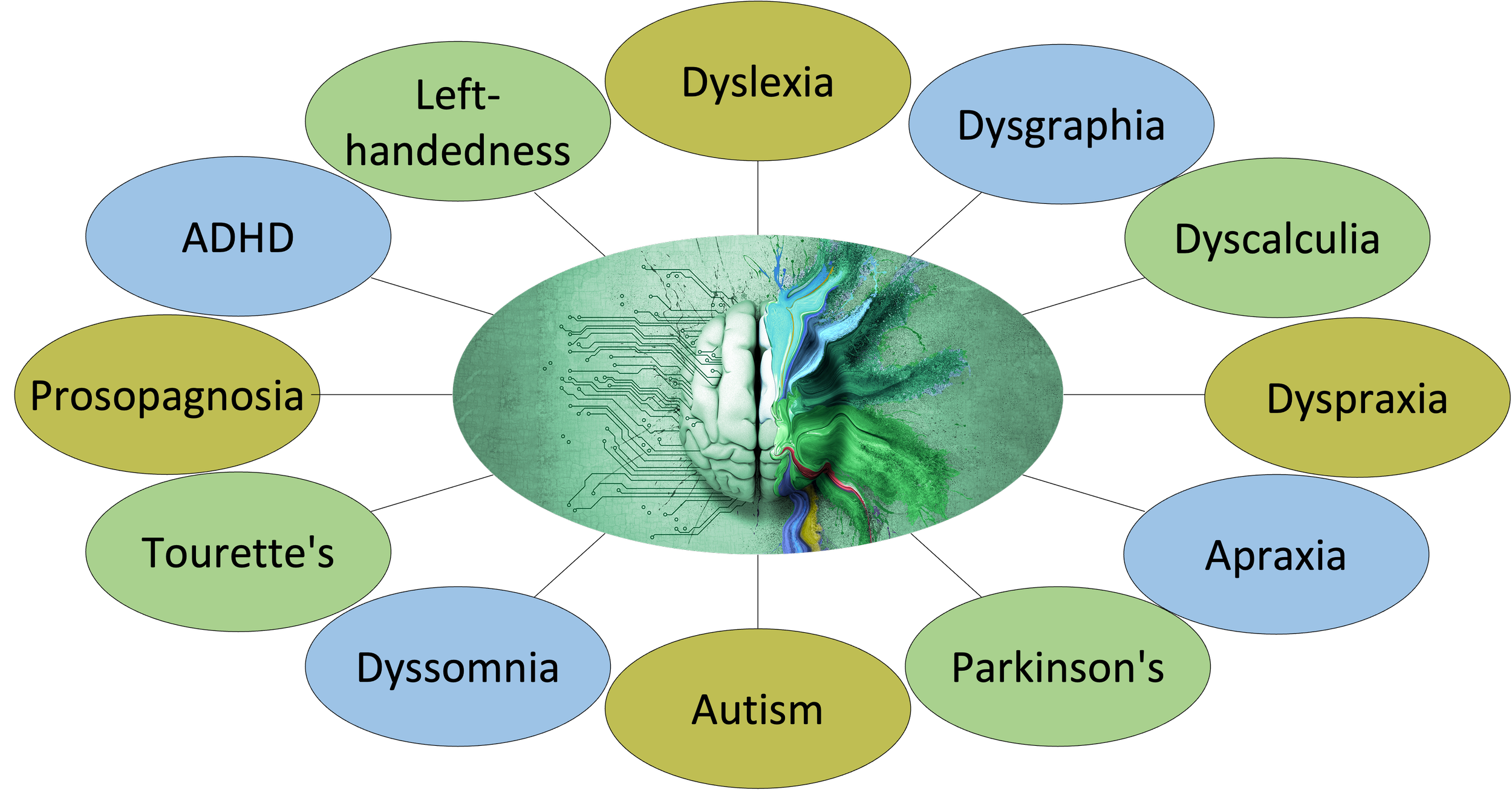
The graphic above offers a sampling of different neurotypes. Some of these neurotypes may surprise you, like being left-handed, for example. If you were left-handed and attended school in the 1960s - 1970s, you may have been forced to use your right hand. At that time many believed that left-handedness was a problem to be corrected.
Now we know better. We know that left-handedness is a neurodistinction, a neurological difference related to brain development and structure, one to be respected and valued. Left-handed individuals excel in fields like art, architecture, aeronautics, music, and mathematics. As we are curious about and embrace differing neurotypes, we create rich, engaging cultures that celebrate and value all kinds of thinking.

Did You Know?
-
Insight: We all have a unique way of thinking and engaging with the world. That's the definition of neurodiversity. The unique thinking of neurodivergent individuals often conflicts with societal systems. Supporting neurodivergent individuals isn’t about “fixing” them so they become neurotypical. It’s about removing barriers and nurturing cognitive strengths in environments where diverse ways of thinking can flourish.
-
Insight: Research shows that individuals identified with one neurotype have a 50% to 70% likelihood of having at least one other co-occurring neurodistinction.
-
Insight: Bottom-up thinkers need to understand the details and the “why” before they can grasp the big picture. This differs from many neurotypical individuals who naturally process information from the top down.
When rushed past details and not given time to ask questions, bottom-up thinkers may feel disoriented or incomplete. When given time to explore structure, patterns, and logic, they often demonstrate exceptional depth of understanding. The result may produce unexpected insights and innovative solutions.
-
Insight: Beyond sight, smell, taste, hearing, and touch, internal sensory systems significantly impact regulation. They include:
Proprioception (Body Awareness)
Sensors in the muscles and joints tell us where our body is in space. An individual who leans on walls, presses hard on their pencil, walks heavily, or fidgets intensely may do so because their brain is craving proprioceptive input.
Vestibular (Balance and Movement)
Located in the inner ear, this system tracks head position and movement. An individual who rocks in their chair or struggles to sit still may actually require movement to activate attention. For some, motion is not distraction, it’s regulation.
Interoception (Internal Signals)
This system helps us interpret internal body signals like hunger, thirst, heart rate, temperature, pain, and the need to use the bathroom.
Individuals with interoceptive challenges may not recognize frustration until it becomes overwhelming, or may not sense hunger, thirst, or urgency until it becomes an emergency.